About All Tours ATV ToursHot Springs ToursAnd Rappelling ToursHanging Bridges ToursLa Fortuna Waterfall ToursFrom San Jose ToursNight Walk Tours Directions Hours & Fees
Find Tours 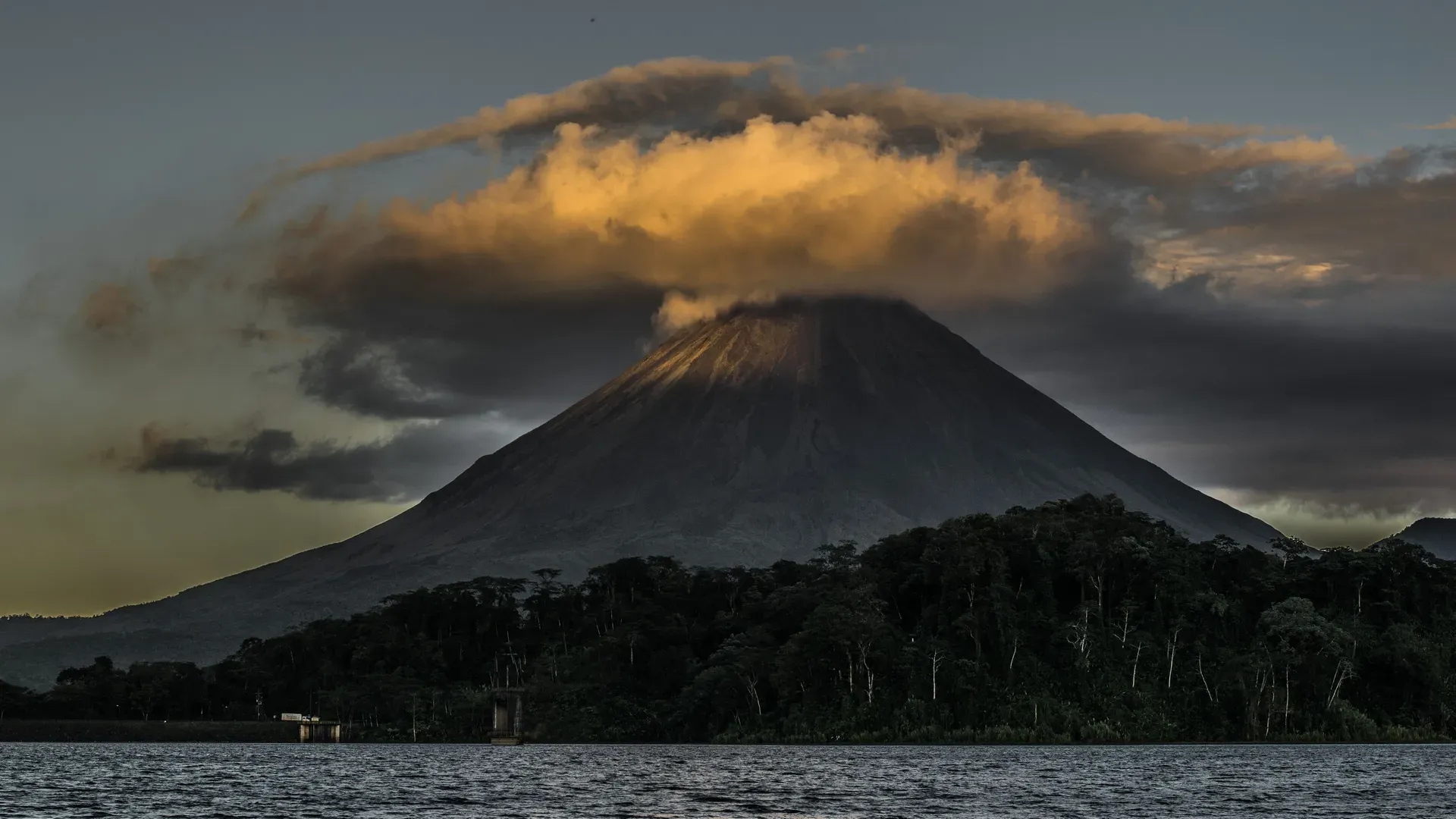
Rising 1,670 meters above the San Carlos plains, Arenal Volcano features rugged basalt trails forged by a massive 1968 eruption. Visitors can hike the 1.1-mile lava flow path before soaking in naturally heated geothermal hot springs surrounded by 12,124 hectares of protected rainforest.
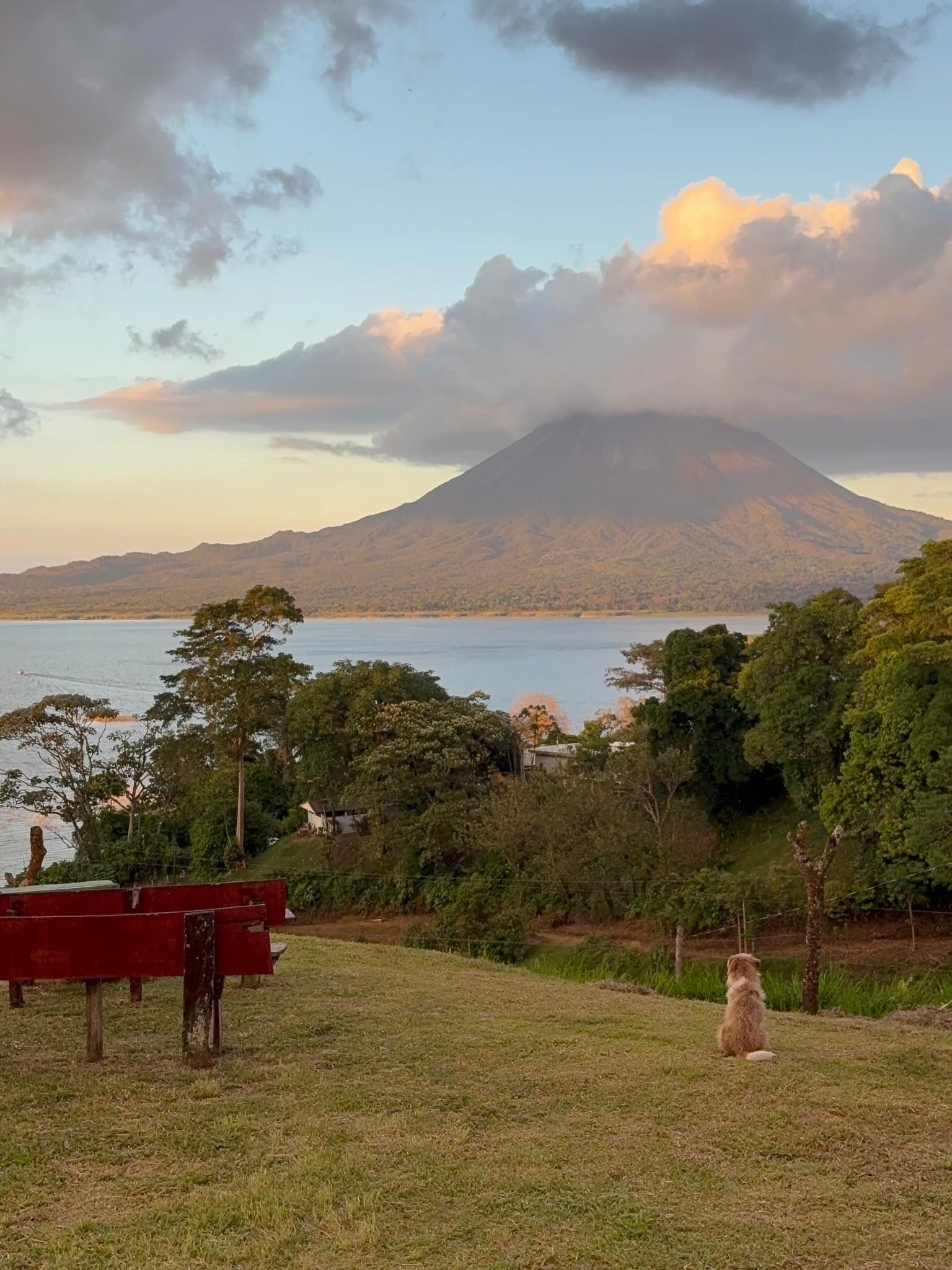
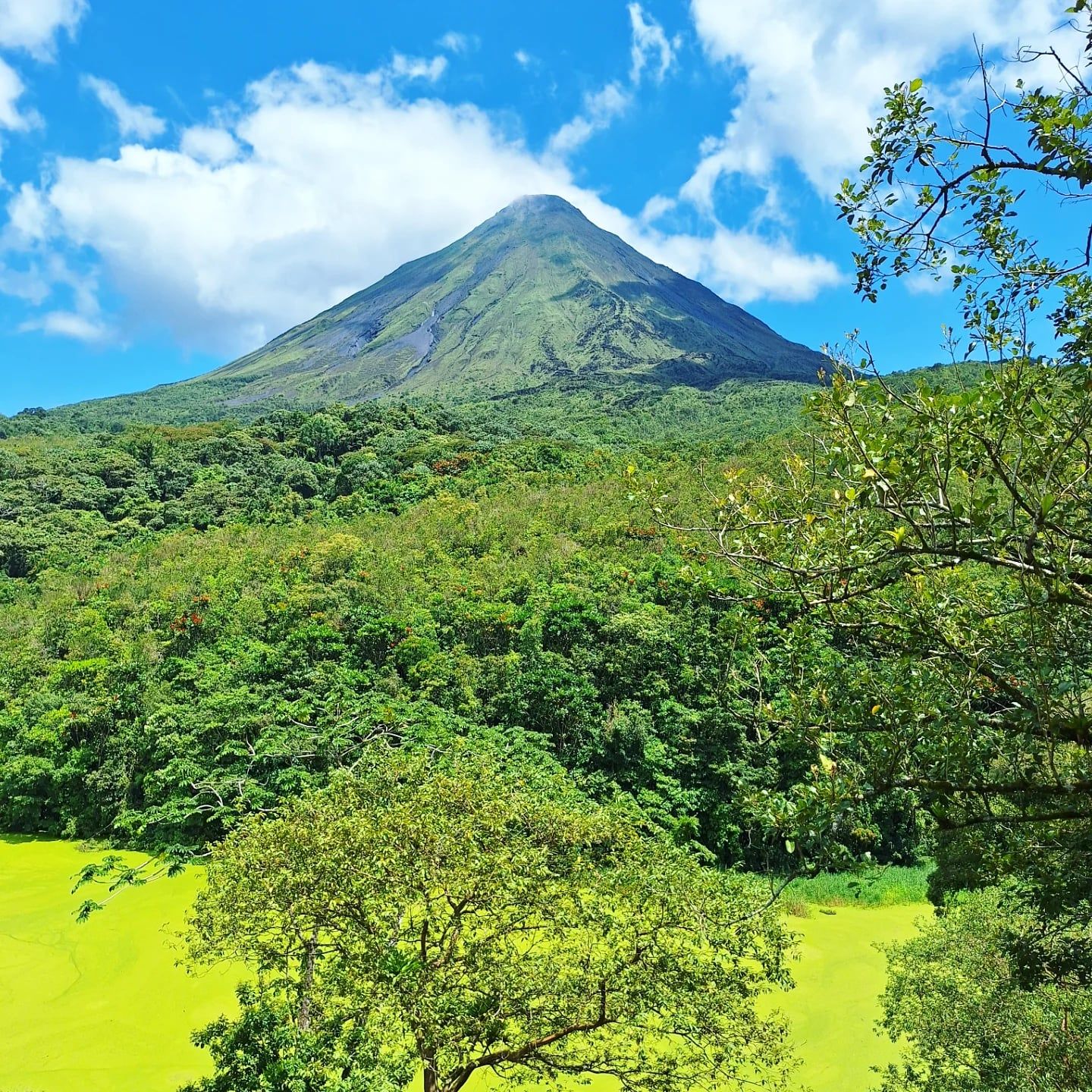
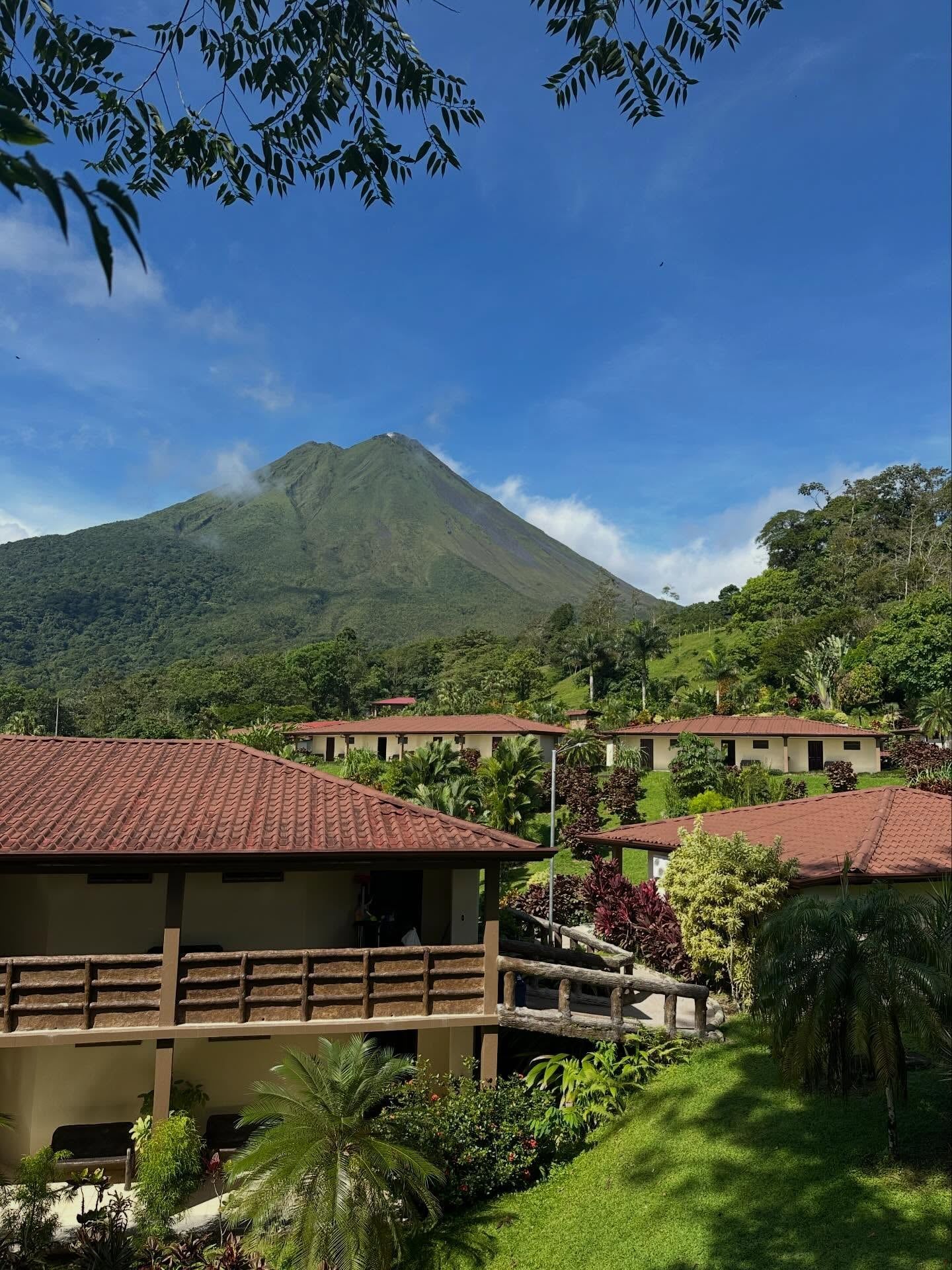
Find Guided ToursArenal Volcano is a symmetrical, conical andesitic stratovolcano located in the Alajuela Province of northern Costa Rica. It sits exactly 15 kilometers (9.3 miles) southwest of the La Fortuna district, anchoring the 12,124-hectare Arenal Volcano National Park. Standing at an elevation of up to 1,670 meters (5,479 feet), the peak's height fluctuates slightly due to shifting volcanic processes.
Geologically young at approximately 4,000 to 7,000 years old, Arenal was built over millennia through successive layers of ash, rock, and lava. Long before modern seismologists began studying its frequent activity, the indigenous Guatuso people spiritually revered the site as the home of the God of Fire. Today, the volcano serves an additional practical purpose. It acts as a crucial watershed for the Arenal Lake Reservoir, which feeds a hydroelectric dam responsible for generating 12 percent of Costa Rica's renewable energy.
For centuries, Arenal was completely dormant and widely assumed to be extinct. That changed on July 29, 1968, when the mountain erupted violently after a 400-year resting period. The catastrophic lateral blast devastated 232 square kilometers of the surrounding terrain. It destroyed three settlements, including Tabacón and Pueblo Nuevo, and resulted in 87 fatalities, marking the deadliest volcanic event in Costa Rican history.
Following the 1968 explosion, Arenal entered a prolonged eruptive phase. For 42 years, the volcano continuously discharged lava, gas, and pyroclastic flows, drawing intense study from global geologists. This continuous activity abruptly ceased in October 2010. The volcano is now in an indeterminate resting phase, though it officially remains classified as active.
Discover the full history and cultural significance on our About page.
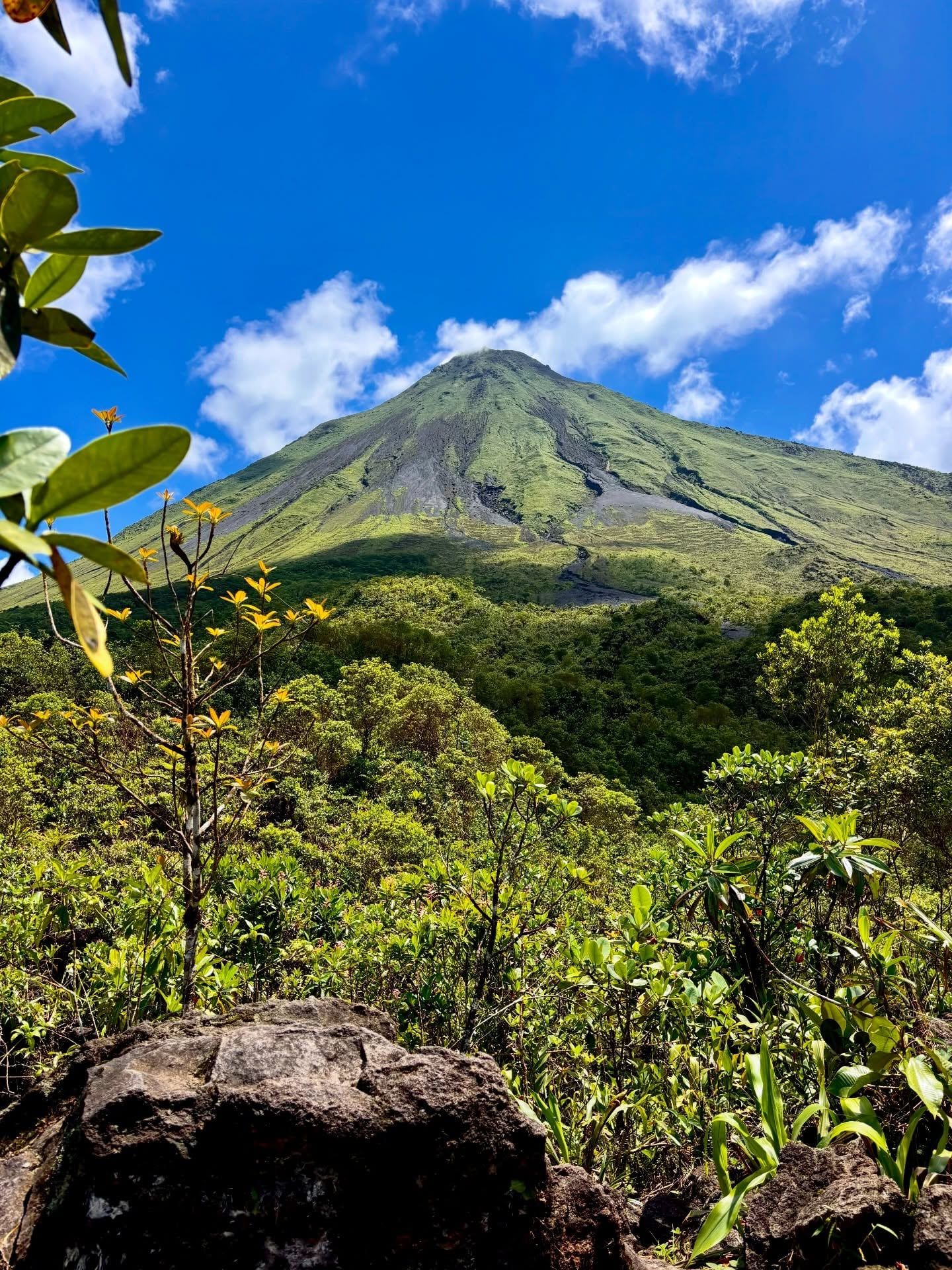
Hikers traverse a 1.1-mile trail directly over the rugged basalt from the catastrophic 1968 eruption. Walking this uneven terrain provides clear, unobstructed views of the steep, 1,670-meter conical peak. You can see exactly where the lateral blast devastated 232 square kilometers of land.
A 1.4-mile forest loop leads visitors deep into the humid secondary rainforest surrounding the volcano's base. The trail culminates at a massive 164-foot-tall Ceiba tree. While standing beneath its towering canopy, you can often hear the echoing cries of local howler monkeys in the distance.
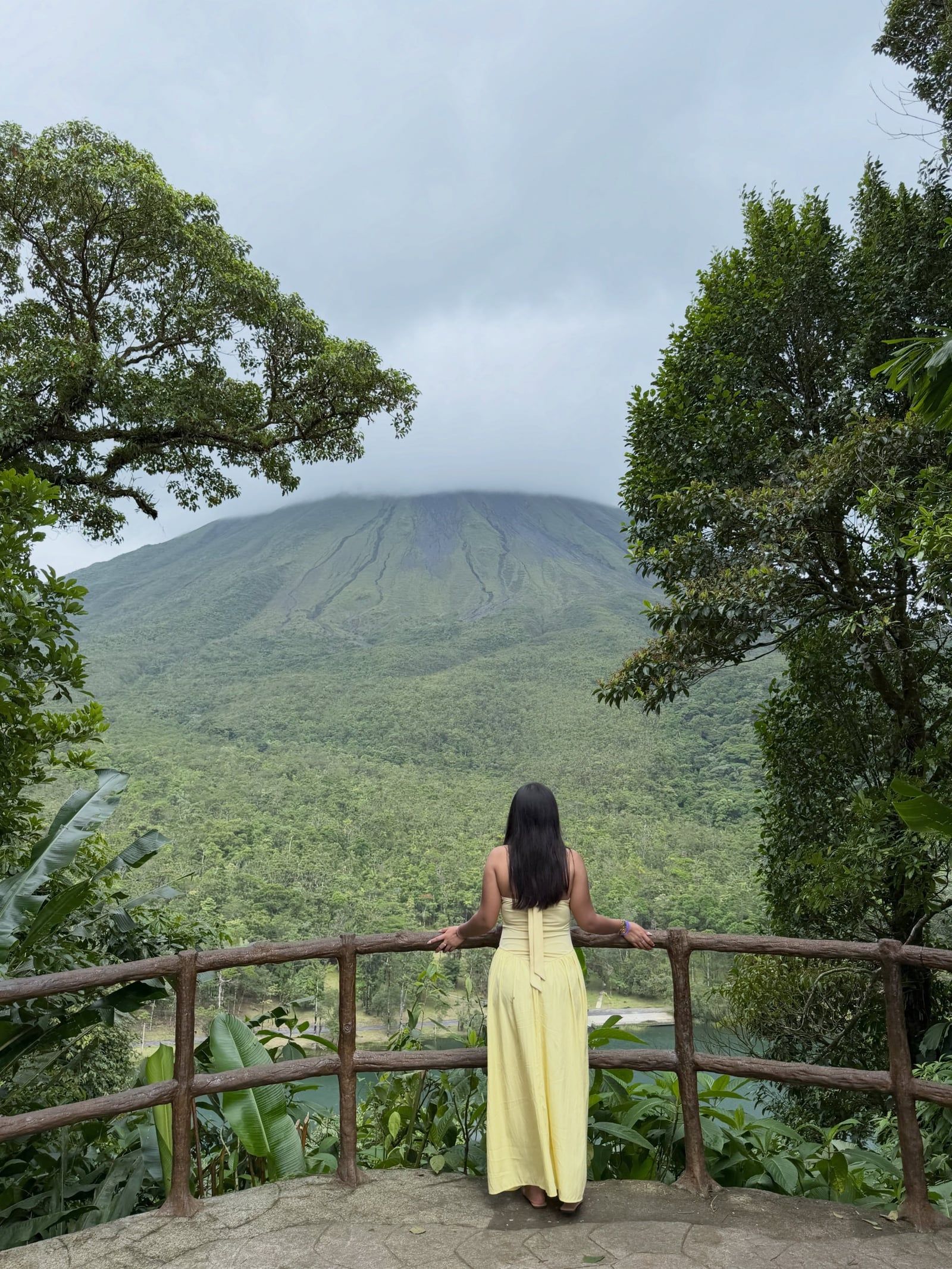
After an easy 1-mile walk along a paved concrete path in the Peninsula Sector, you board a fully covered boat. This cruise provides close-up water perspectives of the volcano's western flank. It is an excellent way to spot lakeside birds and monkeys without strenuous walking.
The geothermal activity of the volcano heats numerous natural hot springs throughout the La Fortuna area. After walking the rugged trails, visitors can relax in these volcanically heated pools. Resorts like Tabacon and Baldi feature beautifully landscaped thermal pools of varying temperatures surrounded by tropical rainforest.
Hand-picked tours with free cancellation and verified reviews
 Free Cancellation 14h
  Free Cancellation 11h
  Free Cancellation
  Free Cancellation 14h
  Free Cancellation 5h
  Free Cancellation 3h
  Free Cancellation 10h
  Free Cancellation 2h
 The optimal time to visit Arenal Volcano is during the dry season from December to April, which provides the highest chance for clear views of the 1,670-meter peak. Arriving exactly at 8:00 AM ensures the clearest morning skies before clouds accumulate.
March and April offer sunny, dry conditions ideal for hiking the rugged lava trails. The rainy season begins in May, increasing the likelihood of sudden showers and obscured summit views.
These months fall completely within the rainy season. Frequent rainfall makes the volcanic rocks slippery and often cloaks the peak in thick clouds, though mornings can still offer brief visibility.
This period represents the peak wet months and presents the most challenging conditions. Heavy rain turns dirt roads muddy and makes clear views of the volcano highly unlikely.
December initiates the dry season, making this the most reliable window for unobstructed views. The sunny weather makes navigating the trails much more comfortable, though sudden tropical showers remain possible.
Arenal Volcano National Park operates daily and is divided into two areas with slightly different schedules. The main Volcano Sector is open from 8:00 AM to 4:00 PM, with the last entry permitted at 2:30 PM. The Peninsula Sector is open from 8:00 AM to 5:00 PM, with the final entry allowed at 4:00 PM.
| Category | Price |
|---|---|
| Foreign adults | $15 USD + tax |
| Foreign children (ages 2-12) | $5 USD + tax |
| Resident children (ages 2-12) | ₡500 |
No advance booking is required. Tickets are purchased directly at the entrance gates and cover same-day access to both the Volcano and Peninsula sectors. Cash is strictly not accepted; all payments must be made using a credit card.
For complete schedules and ticket prices, visit our Hours & Fees page.
Travelers typically reach Arenal Volcano by traveling 140 kilometers (87 miles) from San José to the nearby district of La Fortuna. From La Fortuna, visitors must use a rental car, taxi, Uber, or guided tour to cover the final 15 kilometers to the national park entrances, as direct public buses do not service the park gates.
📍 Arenal Volcano National Park, 15 kilometers southwest of La Fortuna, San Carlos, Alajuela Province, Costa Rica
This door-to-door transportation service utilizes an air-conditioned van or a 4x4 vehicle to carry up to eight passengers. A driver meets you directly at the San José airport with a sign. They handle the navigation through the winding mountain roads leading to La Fortuna. It provides a direct route to your hotel without the delays of waiting for other travelers.
Modern, air-conditioned mini-buses operate daily departures from San José at approximately 8:00 AM and 1:00 PM. These shuttles provide a comfortable ride to La Fortuna for solo travelers and small groups. The trip takes slightly longer than a private transfer due to fixed departure schedules. Drivers also make multiple stops along the route to drop off other passengers at their respective hotels.
Direct public buses depart daily from San José to La Fortuna at 6:15 AM, 8:40 AM, and 11:30 AM. If those times do not align with your schedule, an alternative route is available. You can take an hourly bus to Ciudad Quesada and then transfer to a local bus heading to La Fortuna. This is the most economical transport method available.
For detailed transport options and routes, visit our Directions page.
Get to the park gates right at 8:00 AM. Morning skies offer the best chance to see the 1,670-meter peak before cloud cover rolls in. Wildlife is also most active during these early hours. Keep your camera ready, as visibility changes rapidly.
The national park does not accept cash for entrance fees or visitor center services. You must pay the $15 plus tax foreign adult fee using a credit card. Your ticket grants access to both the Volcano and Peninsula sectors on the same day.
Leave your sandals at the hotel. Trails like the 1.1-mile path over the 1968 lava flows consist of jagged, uneven basalt rock. Sturdy, closed-toe footwear is necessary to prevent injuries and navigate the rugged terrain comfortably. Sudden rain showers can make these volcanic rocks extremely slippery.
The main Volcano Sector features rugged terrain that is difficult for those with mobility limitations. Instead, head to the Peninsula Sector. It provides a fully wheelchair-accessible, 1-mile paved concrete trail. This flat path requires minimal physical exertion and leads straight to Lake Arenal.
Never attempt to hike up the slopes of the volcano. The upper elevations are high-risk zones prone to lethal volcanic gases, falling ballistic boulders, and sudden landslides. You must remain behind safety barriers at all times. Additionally, leave your drone at your hotel, as they are strictly prohibited inside the park.
Plan your transportation so you are not navigating the roads around Lake Arenal at night. These narrow, winding routes lack streetlights. They are also frequently obscured by heavy rain or sudden fog. When parking at trailheads during the day, leave electronics and passports in your hotel safe to prevent petty theft.
Located 6 kilometers outside of town, this 75-meter waterfall plunges into a clear canyon pool. Visitors descend 500 steps to swim in the cool water and view the roaring cascade.
Costa Rica's largest lake generates 12 percent of the country's hydroelectric power. The expansive reservoir provides excellent conditions for windsurfing, kayaking, and freshwater fishing alongside clear views of the volcano.
Sitting directly adjacent to Arenal, this extinct volcano features a collapsed summit crater containing an emerald-green lagoon. The challenging hike to the top rewards travelers with expansive cloud forest views.
Read what travelers share about their experience visiting Arenal Volcano — from practical tips to personal highlights.
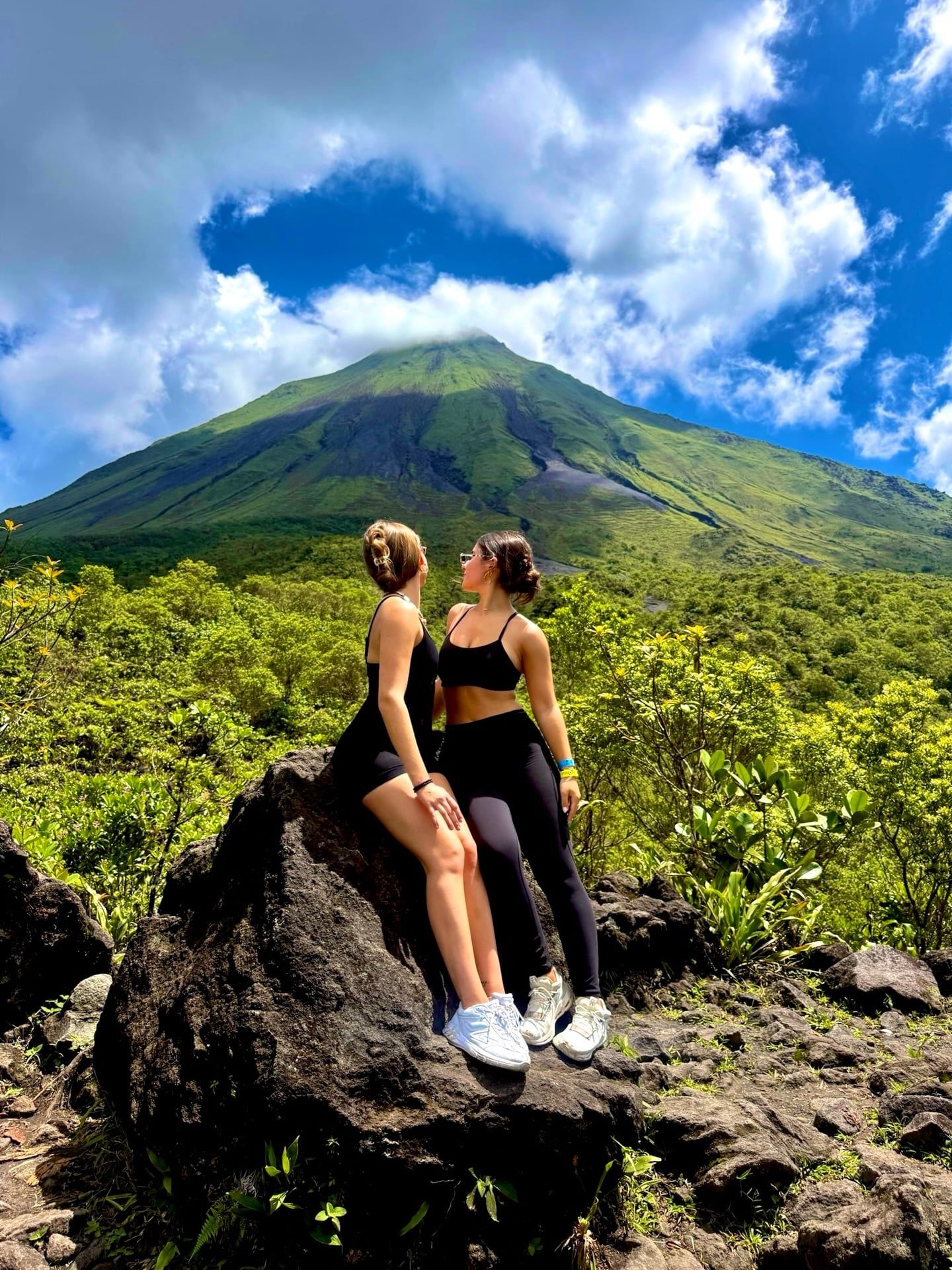
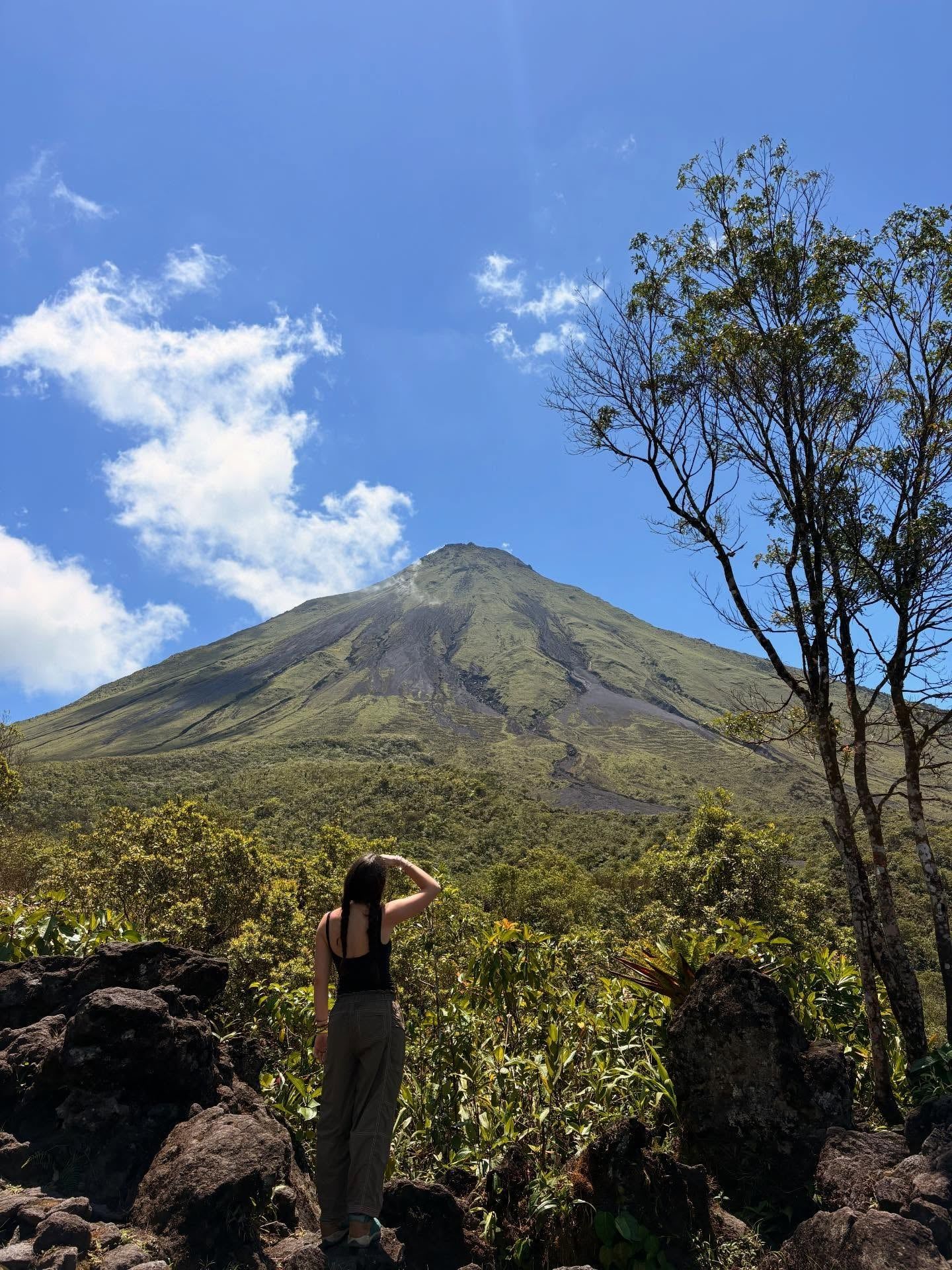
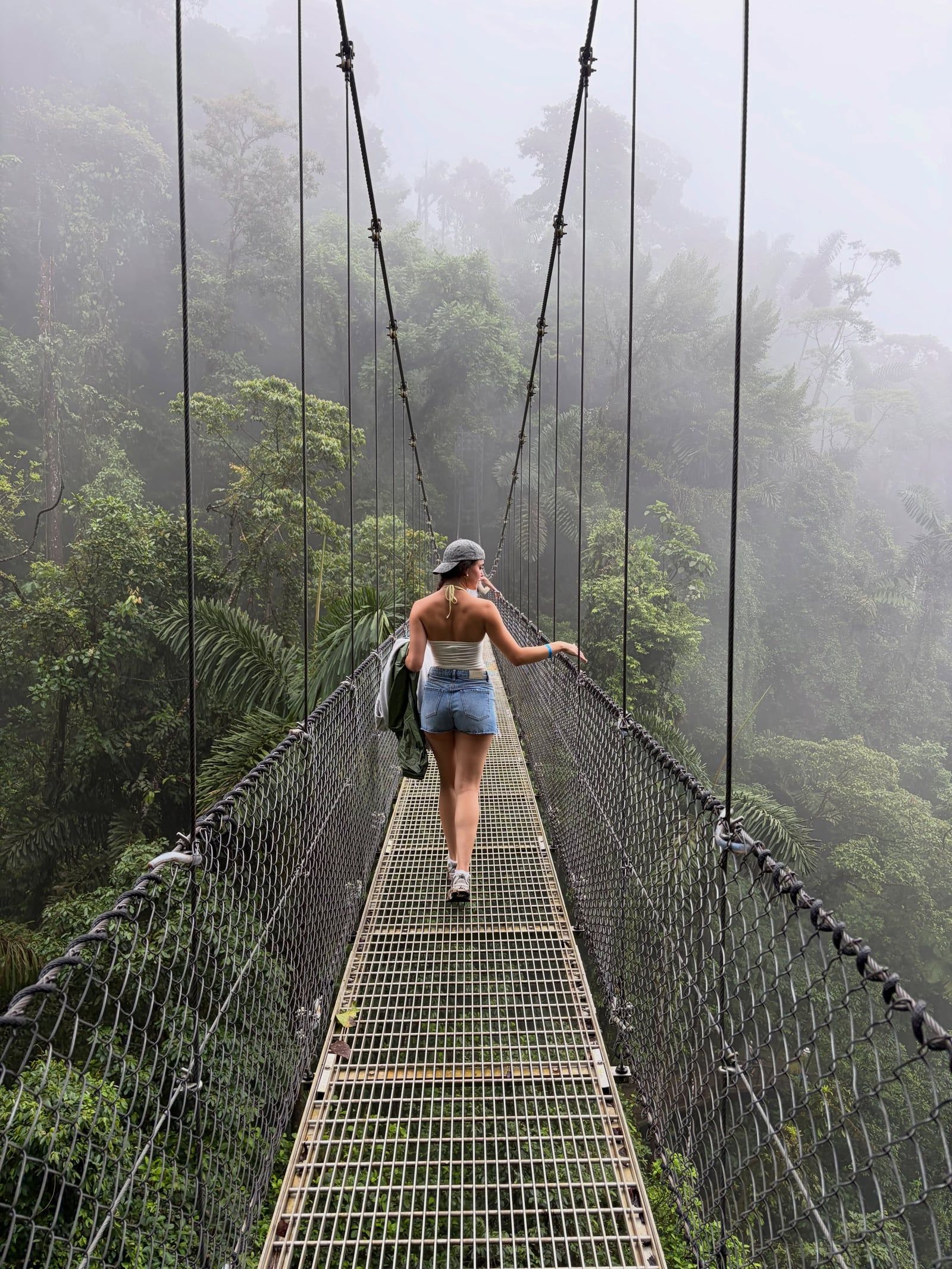
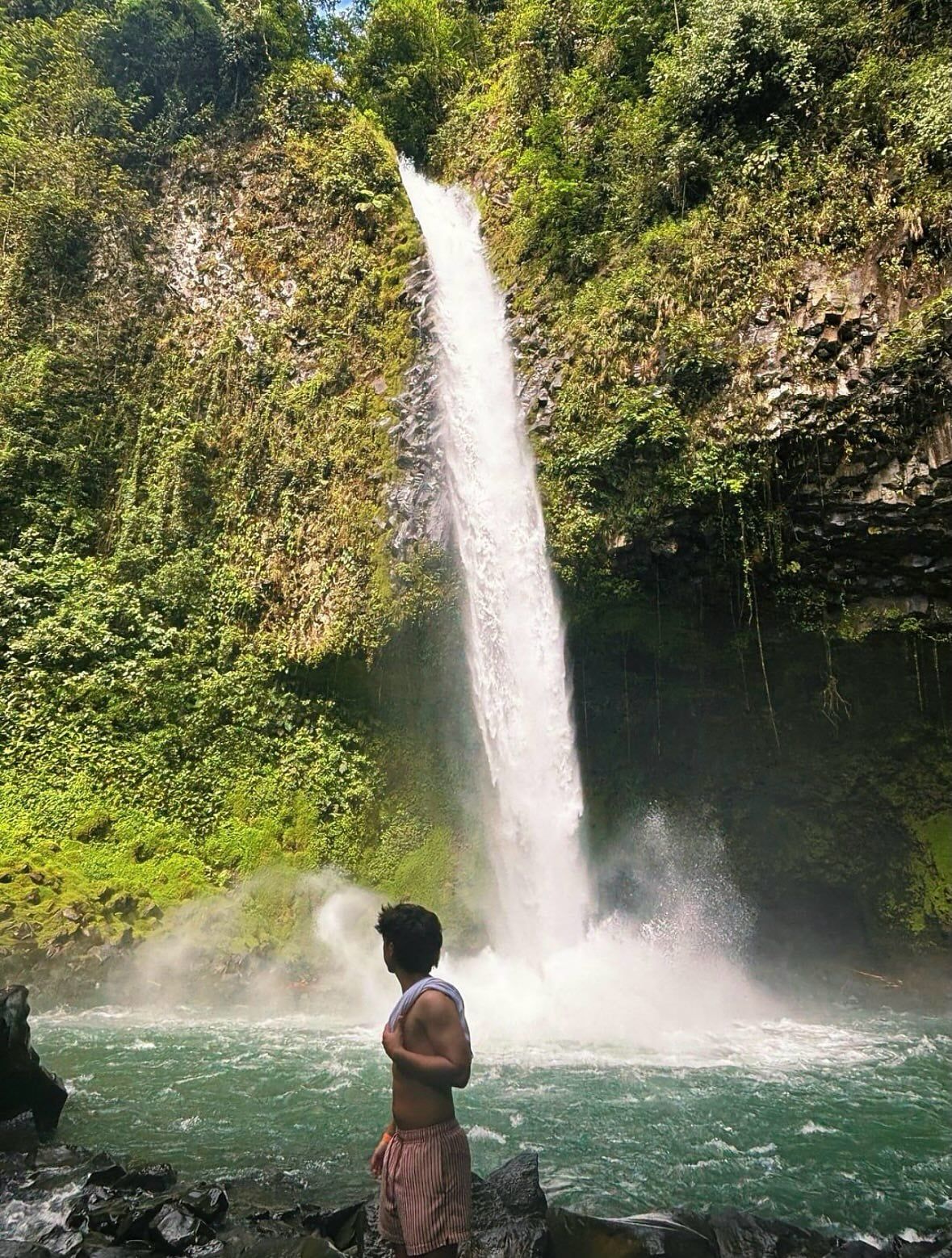
Entrance costs $15 USD plus tax for foreign adults and $5 USD plus tax for foreign children ages 2 to 12. You do not need to book in advance, but you must pay at the gate using a credit card because cash is not accepted.
The main Volcano Sector operates daily from 8:00 AM to 4:00 PM, with the last entry permitted at 2:30 PM. The Peninsula Sector stays open slightly later, running from 8:00 AM to 5:00 PM with a 4:00 PM cutoff for new arrivals.
The dry season from December to April provides the best chance for clear, unobstructed views of the 1,670-meter peak. The peak rainy months of September, October, and November often bring heavy cloud cover and muddy trail conditions.
The drive covers 140 kilometers (87 miles) and takes between 3 and 4 hours. Travelers can hire a private transfer for $149 to $165 USD, take a shared shuttle for $60 USD, or ride the public bus to La Fortuna for $10 USD.
No, a standard two-wheel-drive rental car is sufficient to reach the national park year-round. The roads leading to both the Volcano and Peninsula sector entrances are well-maintained.
Bring sturdy, closed-toe hiking boots to safely navigate the jagged basalt on the lava trails. You should also pack a lightweight rain jacket, a reusable water bottle, and swimwear if you plan to visit the nearby geothermal hot springs.
The park's Peninsula Sector features a fully accessible 1-mile (1.6 km) paved concrete trail that leads to views of Lake Arenal. The main Volcano Sector trails, such as Las Coladas, involve rugged, uneven lava rock and are not suitable for wheelchairs or strollers.
No, climbing to the summit is strictly illegal due to severe safety hazards. The upper slopes are restricted high-risk zones prone to toxic gas emissions, sudden landslides, and falling boulders.
Browse verified tours with free cancellation and instant confirmation.
Find Tours